Understanding Neuroaffirming Practice

Updated: Dec 22, 2024

Neuroaffirming practice is an approach that embraces the natural variation in humans by accepting and celebrating the unique ways neurodivergent individuals experience the world. Neurodivergent people can include autistics, ADHDers, and others with different neurodevelopmental profiles. For psychologists and mental health professionals in Australia, neuroaffirming practice is an ethical and impactful way to support all clients authentically. In fact, it has been written into psychologist’s professional competencies (https://www.ahpra.gov.au/documents/default.aspx?record=WD24%2F33825&dbid=AP&chksum=T2EwPCDY8g52fE2Cjss%2Fow%3D%3D) Keep reading for some of what you need to know and how to incorporate it into your work.
What Is Neuroaffirming Practice?
At its core, neuroaffirming practice involves accepting neurodivergent individuals' differences and needs like you would for neurotypical standards and needs. This means you are not trying to force a neurodivergent individual to comply to an expected standard or hide/suppress their natural way of communicating and expressing themselves.
It means:
Listening to and Seeking Lived Experiences: Engage with and valuing autistic and ADHD voices and experiences. It recognises that the best people to create and inform policies, plans and supports are those who actually experience them.
Focusing on Strengths: Neuroaffirming practice recognises the unique strengths that neurodivergent people have, such as hyperfocus, creativity, and deep interest areas. This acknowledgement helps empower people to celebrate their unique qualities and align their life with their strengths.
Acknowledging Challenges Without Pathologising: Challenges and difficulties are acknowledged and supported with accommodations rather than framed as deficits to be corrected or changed. For example, if someone is sensory sensitive to noise they could wear noise cancelling or reducing ear buds.
Avoiding Harmful Practices: Dismissive or compliance-focused interventions, such as forcing masking (suppressing natural traits) or using exposure therapy to condition responses. Instead, the aim is to create safe spaces for authentic self-expression and client-led goal setting.
A Note on Language and Terms
Language is powerful and the neurodivergent community has clear preferences about how they wish to be referred to. Of course you should always ask the individual and respect clear guidance (such as pronouns in a email signature), however here are some general things to consider:
Identity-First Language: Many autistic people prefer being called "autistic" rather than "person with autism" as it reflects their identity as integral, not separate from their being.
Terms to Avoid: Acronym ASD and phrases like "high-functioning" or "low-functioning". The autistic community do not think of themselves as disordered, rather it is the neurotypical expectations that limits a person and actively disables them. Also, a person’s support needs can vary depending on the day and task demand so it is inaccurate to functioning levels and can lead to discrimination and stigma.
Use Neuroaffirmating Descriptions: For example, instead of saying "challenging behaviors," describe what the person is experiencing, such as sensory overload or anxiety-driven responses.
Why Does It Even Matter?
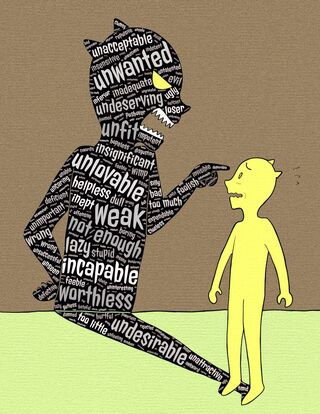
For professionals in Australia, adopting a neuroaffirming approach isn't just ethical; it's transformative and equitable. Traditional deficit-focused models cause long-term harm to people, contributing feelings of shame and inadequacy. Neuroaffirming practice foster's acceptance, belonging, and empowerment.
Are you ready to transform your practice and better serve neurodivergent individuals? Start by exploring neuroaffirming resources tailored for psychologists and the broader Australian community. Download our FREE Resource Guide to access insights, practical tools, and strategies for a truly neurodiversity-affirming practice.
Together, we can build a world that celebrates differences and creates pathways for everyone to thrive 🌟